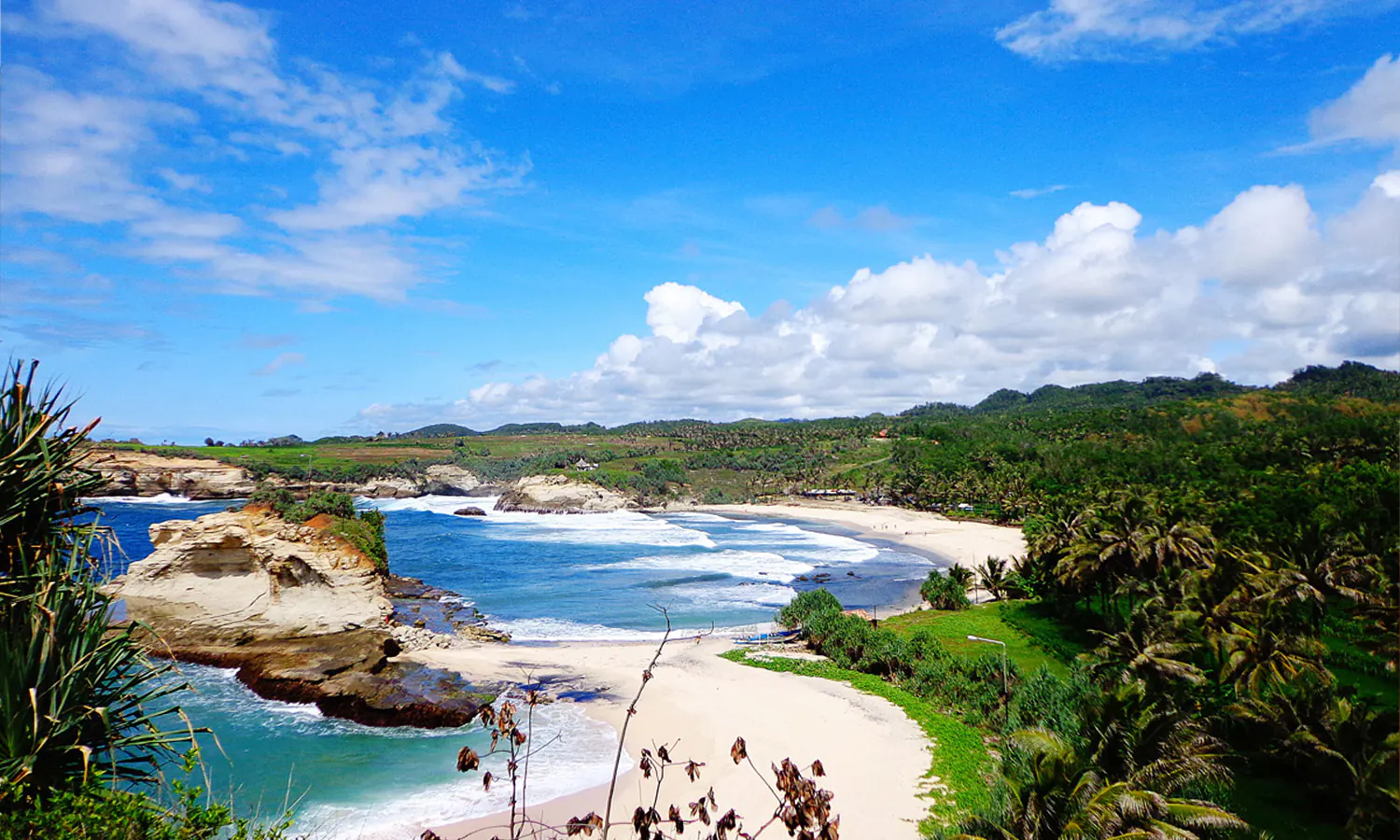
Source : https://www.google.com/url?sa=i&url=https%3A%2F%2Fblog.eigeradventure.com%2Fcara-menjaga-kelestarian-alam%2F&psig=AOvVaw1-mg0RUmz1OKw0RaSbZm0G&ust=1733457681276000&source=images&cd=vfe&opi=89978449&ved=0CBcQjhxqFwoTCPj3tKDfj4oDFQAAAAAdAAAAABAQ
22 March 2025
Traveling to tropical destinations can be a wonderful experience, but the hot and humid weather can pose its own challenges. Adjusting to the tropical climate is essential for staying comfortable and healthy during your vacation. Here are some tips to help you adapt to the tropical climate while traveling.
Clothing is the first thing you should consider when in a tropical climate. Opt for lightweight and breathable fabrics like cotton or linen to keep your body cool and comfortable. Avoid tight or synthetic clothing, as they can increase the feeling of heat and humidity.
The tropical sun can be intense, so it’s important to protect yourself. Use sunscreen with a high SPF to prevent sunburn. Wear a hat or head covering to shield your face from direct sunlight. Sunglasses are also crucial to protect your eyes from harmful UV rays.
Hot and humid tropical weather can cause your body to lose a lot of fluids through sweat. Always carry a water bottle and drink plenty of water throughout the day to stay hydrated. Avoid alcoholic or caffeinated beverages, as they can cause you to lose more fluids.
When in a tropical destination, make sure not to engage in strenuous physical activities under the midday sun. If possible, plan outdoor activities in the morning or late afternoon when temperatures are cooler. Don’t hesitate to rest in shaded areas or indoor spaces with air conditioning if needed.
Tropical climates are often home to various insects, including mosquitoes that can carry diseases. Use insect repellent or mosquito lotions to protect yourself from bites. Be sure to sleep with mosquito nets or in places protected from insects.
In tropical climates, food and waterborne illnesses are more common. Always consume well-cooked food and avoid overly spicy or raw meals. Only drink bottled water or water that has been confirmed to be safe for consumption.
The hot and humid weather can dry out or irritate your skin. Use moisturizer to keep your skin hydrated. Be sure to cleanse your face after outdoor activities to prevent dirt and oil from clogging your pores.
Heat stress can occur when your body struggles to regulate its temperature under extreme weather conditions. Some symptoms include dizziness, fatigue, and nausea. If you experience these symptoms, find a cool place, drink plenty of water, and rest until you feel better.
By following these tips, you can easily adjust to the tropical climate while traveling and enjoy your vacation more comfortably. Always prioritize your health and safety during your journey!
 Fernandes Raymond


 Indonesia
 English